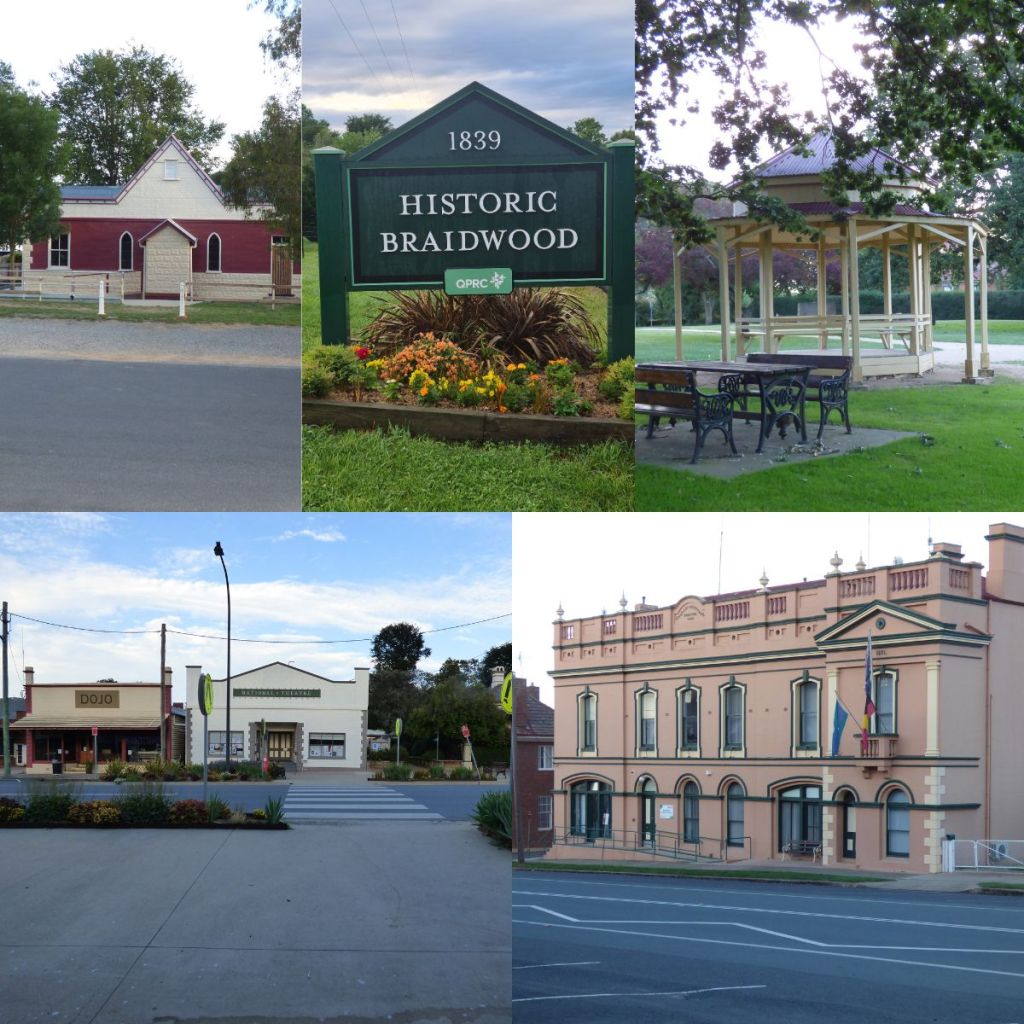
As I walk around my home town, I often marvel at the number of third places. Braidwood has a population of just under 2,000 people, yet between the public venues and halls, the sports grounds, the cafes and pubs, parks and the library, I can count around 20 third places off the top of my head! It has me pondering the value of third places in my work in facilitation and stakeholder engagement in creating safe and inclusive environments for all participants.
Third place theory
What are third places? Well, its not about coming third in a race! Third Place Theory was developed by Ray Oldenburg in the early 80s, and describes social environments separate to our home environment (first place) and our work environment (second place). These third places are neutral spaces fostering community and social connection, and can be anything from shops, cafes or restaurants and other public spaces.
In short, Oldenburg described the three places as:
- First place: Our home is considered the first place in the three social environments. Our home is a place where we live out our private lives and relationships.
- Second place: Our work environment represents the second places, where we engage in a more formal and structured way.
- Third place: These are the informal meeting and social places where we build a sense of community and social connection outside of the home and work.
Changes in our places
Since the 1980’s our social, economic and physical environments have changed. Changes in the housing market are impacting our ability to create our first place in the way we may once have. Work has also changed, and our second place may now be a virtual environment, or a spot within our first place. Our third places have also expanded into the virtual world, however with these changes to our home and work environments third places are more important now than ever in fostering connection and community.
The value of third places in facilitation
So, what does all this mean for facilitation and stakeholder engagement?
The International Association of Facilitators list six values, the first of which is inclusivity, and point 5 of their code of ethics is about respect, safety, equity and trust, and creating an environment where all participants can speak freely and where individual boundaries are honoured. The craft of a facilitator is to create an environment where this can be achieved – and I consider this to include both the intangible, as well as the tangible aspects of the environment.
Third places can support this through:
- Creating inclusive spaces: inclusivity and accessibility are key characteristics of third places, and also core values in facilitation. Creating an environment where participants feel welcome and comfortable contributing to the session is crucial for a successful facilitation, and the right physical environment can go a long way to supporting this.
- Fostering informal interaction: Third places can encourage the spontaneous and informal interaction, so crucial in building networks and relationships. This idea isn’t dissimilar to designing a workshop or event to provide opportunities for casual conversations and networking in breaks or social activities. Having a space that nurtures this type of informal interaction can encourage participants to engage beyond the formal structure of the session.
- Building community: The community building aspects of third places are valuable in stakeholder engagement. Building a sense of community among participants can lead to deeper and more effective collaboration and problem-solving.
- Leveling power dynamics: Formal or informal power dynamics in the room can impact the success of a workshop through some participants being unable or unwilling to fully contribute and express their views. As neutral environments, third places can help create a space that levels these dynamics and encourage equal participation.
Virtual third places
In the last four years, the move to virtual engagement has accelerated significantly, and like so many facilitators, I grapple with these changes and how to create on-line environments that help achieve the same outcomes as we would in a face to face session. Tools like Teams and Zoom, MURAL and Miro, can really be seen as second or third places – depending on how they are used, and who they are used with. A team could be using a tool for virtually collaborating on a project, so it’s being used as a second place. The same tool used by an independent facilitator as a platform for engaging a community on a development in their town would become a third place.
The use of second and third places
Of course, third places aren’t always the most effective environment for a workshop, but they are worth considering in designing a session. Particularly for team planning type workshops, we often default to holding the session in a meeting room or other corporate on-site space. Similarly, an organisation seeking to engage their stakeholders might use their in-house event space. If this space is one where all participants can equally participate, then that’s great. But how often have you seen one or more participant go back to their desk to take a call or check and email. Not to mention that the normal power dynamics of the work place or organisation/stakeholder relationship are harder to break through.
While I’ve read an article recently bemoaning the loss of many third places, and the lack of new third places being created in urban architecture, there is also an increasing awareness of their importance. I know I’m privileged to live and be based in a regional community with an abundance of third places, and it’s not something I take for granted. It is also a constant inspiration in my facilitation and stakeholder engagement work, encouraging me to think about how to support participants with the right physical place to participate to their full potential.
 Facilitorium
Leave a comment